New Labour Code 2026: Impact on Your Shramik Card
Something quietly changed in how construction cess gets paid — and it affects which contractors are properly on the government’s radar when they sign your work certificate.
What actually changed
Until recently, a labour department official had to physically assess a construction project’s cost before the 1% BOCW welfare cess was calculated and demanded. That process routinely took months and triggered disputes over valuation.
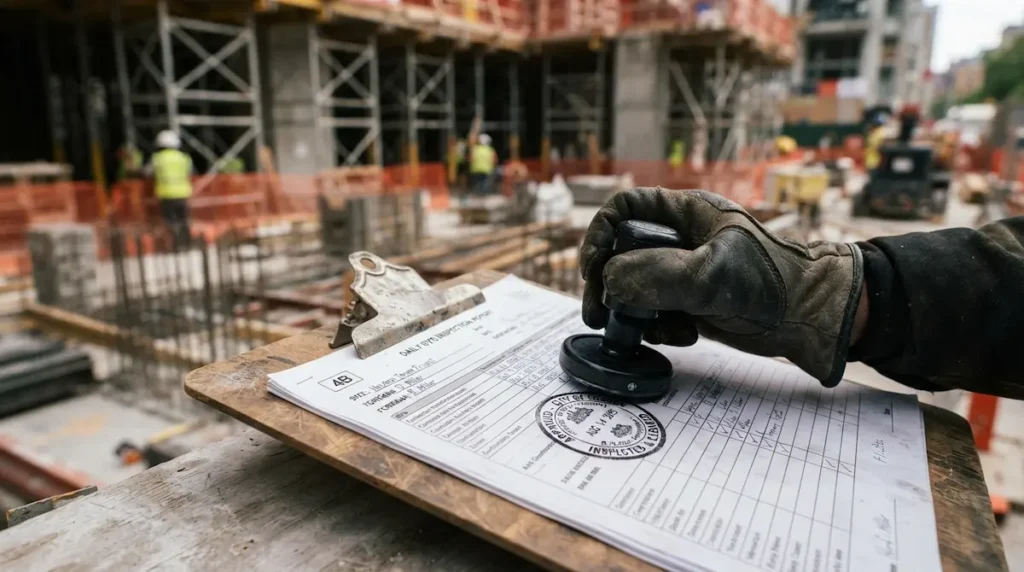
Under the Code on Social Security, 2020 — now merged with the old BOCW Cess Act — that system has been replaced. The Social Security Central Rules 2026, notified on 8 May 2026, introduce a self-assessment model under Rule 42. The employer or builder now estimates the project cost themselves and pays cess accordingly, with a chartered engineer’s certification backing the figure, and a final adjustment once construction wraps up.
For contractors, this is compliance relief. Advance payment is allowed, instalments are permitted with disclosure, and excess cess gets refunded through a time-bound process instead of getting stuck in bureaucratic limbo.
Also read: Atal School CBSE Result 2026: 93% Pass — What Next?
Why this matters to you, specifically
Here’s the part almost nobody explains: cess registration and worker registration run on the same rail. A contractor who’s properly registered with the welfare board — the one paying cess, self-assessed or not — is also the one whose Niyojan Praman Patra (work certificate) the board treats as credible when you apply for a Shramik Card.
Self-assessment doesn’t remove that link. It just changes who’s checking the numbers before the fact. Labour economists tracking this shift, including researchers cited in NewsClick’s coverage of the draft rules, have flagged a real concern: relaxed cess thresholds on smaller residential projects could mean fewer such sites ever register with the welfare board at all. Less registration pressure on the employer side has historically meant fewer workers getting formally counted — because an unregistered site simply doesn’t generate the paperwork a Shramik Card application needs.
What this means practically
If you’re currently working 90 days toward a Shramik Card application, or renewing with a new work certificate, the self-assessment shift makes one thing more important than before: confirm your contractor or builder is cess-registered with the UPBOCW board, not just paying you in cash off an informal site. A self-assessed cess filing still has to exist somewhere in the system for your certificate to hold up during verification.
Ask your contractor directly whether the project has a UPBOCW registration number. If they can’t produce one, your Niyojan Praman Patra carries less institutional weight when the portal cross-checks it — self-assessment or not.
The bigger picture
This is a central-government framework. Implementation timing, and how strictly UP’s Labour Department enforces cess registration on smaller residential projects, will vary as the state finalises its own rules under the new Code. Workers should treat this as an evolving compliance environment for the next year, not a one-time switch — and keep independent proof of their 90 days (photos, attendance records, payment receipts) alongside whatever certificate the contractor issues, regardless of how the cess gets assessed upstream.